CompactDry Microbiological Culture Media – Rapid Chromogenic Media for Food, Water and Environmental Testing
CompactDry rapid microbiological tests – a simple, fast and reliable solution
CompactDry is a ready-to-use, dehydrated chromogenic microbiological culture medium system that enables rapid and reliable microbiological testing of foods, beverages, water samples, cosmetic products and environmental samples. CompactDry media are ideal for routine quality control, HACCP systems, environmental monitoring and laboratory microbiological testing.
How does the CompactDry system work?
CompactDry is a chromogenic, dehydrated culture medium that:
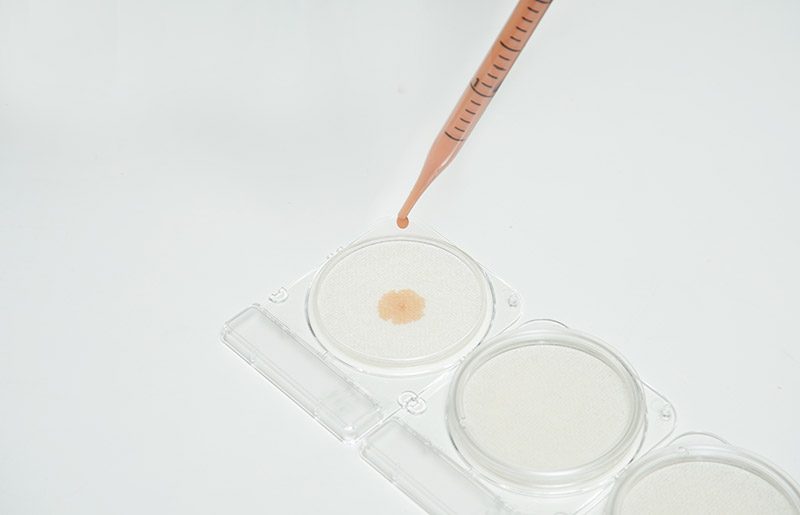
- Rehydrates in seconds when 1 mL of sample is added
- The sample spreads evenly across the plate surface
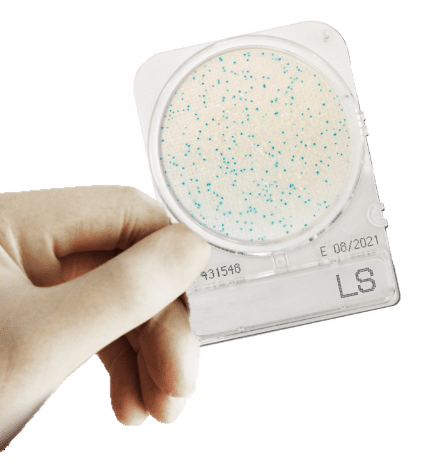
- Coloured colonies appear after incubation
- Microorganisms can be easily identified and counted
The enclosed, rigid design reduces the risk of cross-contamination and spillage while enabling easy stacking and handling.
What can CompactDry be used for?
- Food microbiology
- Drinking water testing
- Process water testing
- Cosmetic microbiology
- Pharmaceutical environmental monitoring
- Surface testing
- HACCP inspections
- Quality control laboratories
CompactDry Swabs – simple surface sampling
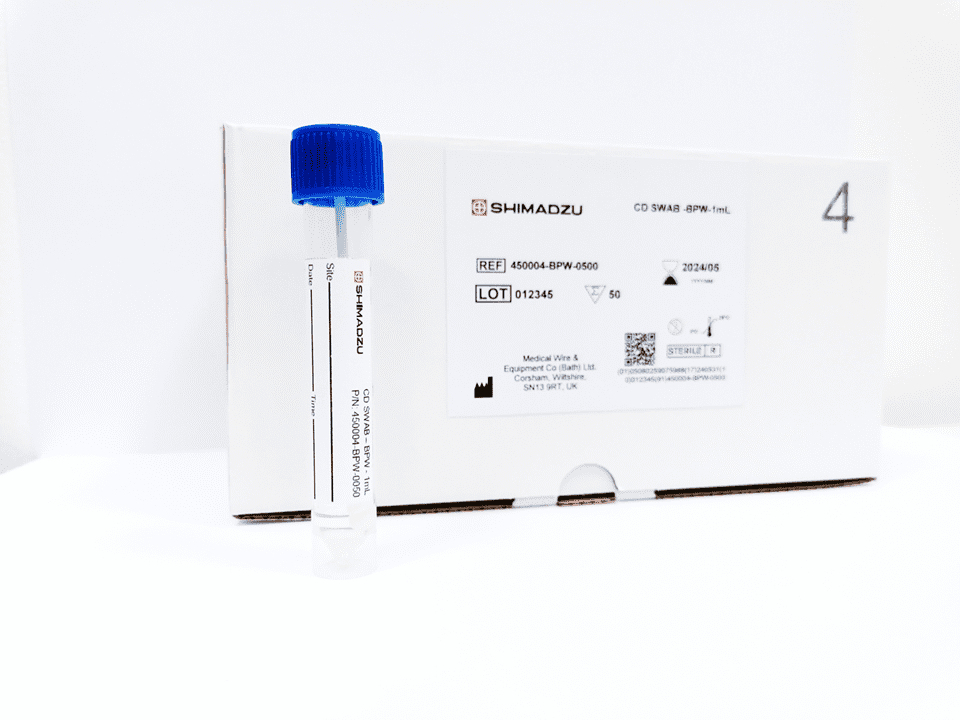
CompactDry Swabs are ready-to-use sampling swabs containing 1 mL of buffer solution and are directly compatible with CompactDry plates. The design complies with ISO 18593.
Available buffer types:
NRS – Neutralising Rinse Solution
- General-purpose neutralising solution for disinfected surfaces (food, cosmetics and pharmaceutical industries)
PBS – Phosphate Buffered Saline
- For environmental and surface sampling in the food industry
Letheen Broth
- For neutralising quaternary ammonium disinfectants
BPW – Buffered Peptone Water
- For sampling cleaned surfaces and recovering injured Salmonella cells
The swabs can be stored at room temperature, have an 18-month shelf life and are ready for immediate use.
Please contact us—we will help you choose!
Available CompactDry plates:
| Name | Target | Temperature | Compliance | Incubation time |
|---|---|---|---|---|
| AQ | Heterotrophic bacteria in water | 36 ± 2°C (Filter/SMEWW method) 22 ± 2 °C (ISO6222:1999) |
– | 44 ± 4 hours 68 ± 4 hours |
| BC | Bacillus cereus | 30 ± 1 °C | AOAC/MicroVal | 24 ± 2 hours |
| CF | Coliform | 37 ± 1 °C (for all other matrices) 35 ± 2 °C (for raw meat) |
AOAC/NordVal/ MicroVal | 24 ± 2 hours |
| CF-L | Coliform (for dairy products) | 37 ± 1 °C | – | 24 ± 2 hours |
| EC | E. coli and coliform | 37 ± 1 °C (for all other matrices) 35 ± 1 °C (for raw meat) |
AOAC/NordVal/ MicroVal | 24 ± 2 hours |
| ECO | E. coli | 35 °C ± 1 °C or 37 °C ± 1 °C |
– | 24 ± 2 hours |
| ETB | Enterobacteriacae | 37 ± 1 °C | AOAC/NordVal/ MicroVal | 24 ± 2 hours |
| ETC | Enterococci | NordVal: 36 ± 1 °C AOAC/MicroVal: 37 ± 1 °C | AOAC/NordVal/ MicroVal | 22 ± 2 hours |
| LM | Listeria monocytogenes | Detection: 37 ± 1 °C Enumeration: 37 ± 1 °C | MicroVal (detection/ enumeration) | Detection: 24-48 hours Enumeration: 24-48 hours |
| LS | Listeria spp | 35 – 37 ± 1 °C | – | 24-48 hours |
| PA | Pseudomonas aeruginosa | 36 ± 1 °C | MicroVal | 48 ± 3 hours |
| SL | Salmonella | Enrichment: 35 – 37 °C Detection: 41 – 43 °C | MicroVal | Enrichment: 20 – 24 hours Detection: 20 – 24 hours |
| TC | Total viable count | 35 ± 1 °C (for raw meat) 30 ± 1 °C (for all other matrices) |
AOAC/NordVal/ MicroVal | 48 ± 3 hours |
| TCR | Total viable count | 35 ± 1 °C 32 ± 1 °C (dairy products) |
AOAC | 24 ± 2 hours 48 ± 3 hours |
| VP | Vibrio parahaemolyticus | 35 ± 1 °C | – | 19 ± 1 hours |
| X-SA | Staphylococcus aureus | 37 ± 1 °C | AOAC/NordVal/ MicroVal | 24 ± 2 hours |
| YM/YMR | Yeast and mould | 25 ± 1 °C | AOAC/NordVal/ MicroVal | YMR: 72 ± 3 hours YM: 3 – 7 days |